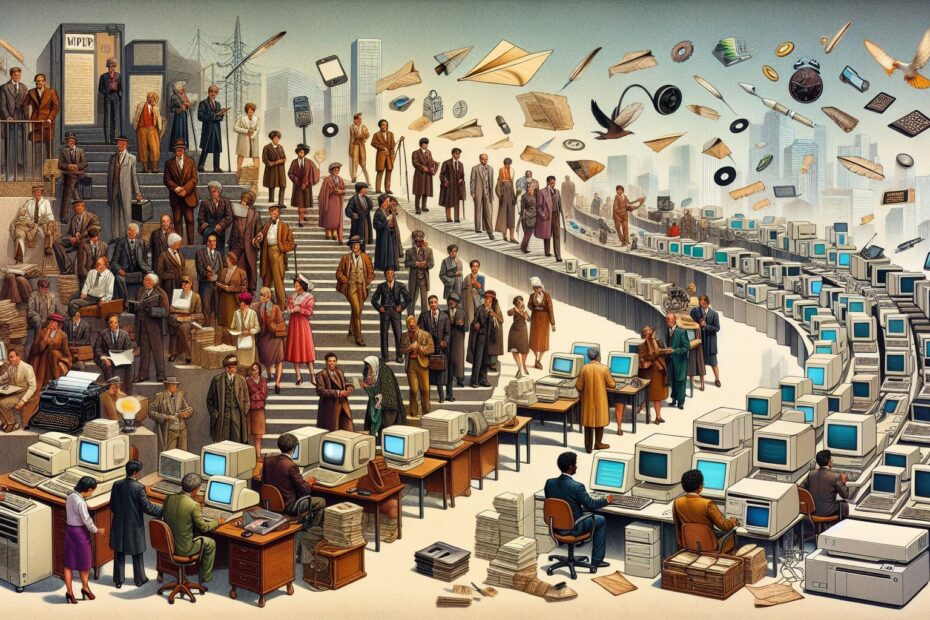
The internet has revolutionized every aspect of our lives, and the business world is no exception. In today’s digital age, businesses rely heavily on the internet to thrive and succeed. It has transformed the way we communicate, market products, and conduct transactions, making it an essential tool for any modern business. In this article, we will explore the power of the internet and how it has transformed the business landscape.
The Internet: An Essential Business Tool
The internet has become an integral part of daily business operations. From small startups to multinational corporations, companies rely on the internet to connect with customers, collaborate with colleagues, and streamline processes. Email, video conferencing, and messaging applications have made communication effortless, enabling businesses to connect with clients and partners worldwide. The internet has eliminated geographical barriers, making it easier to expand businesses beyond borders and tap into global markets.
Marketing in the Digital Age
Gone are the days when businesses heavily relied on traditional marketing methods like print advertisements and television commercials. The internet offers an array of digital marketing channels that are both cost-effective and efficient. Social media platforms such as Facebook, Instagram, and Twitter have become powerful marketing tools, allowing businesses to reach a vast audience with just a few clicks. Search engine optimization (SEO) helps businesses improve their online visibility, ensuring they appear at the top of search engine results pages. Additionally, businesses can leverage content marketing to provide value to their target audience and establish themselves as industry thought leaders.
The E-commerce Boom
The rise of the internet has fueled the tremendous growth of e-commerce. Online shopping has become the preferred method for many consumers, offering convenience, competitive prices, and a wide variety of products. For businesses, setting up an e-commerce website has become crucial to stay competitive in the market. Online retailers can reach customers 24/7, making sales even when their physical store is closed. Furthermore, the internet has allowed businesses to personalize the shopping experience, gather valuable customer data, and target specific demographics, enhancing customer satisfaction and boosting sales.
Collaboration and Remote Work
The internet has transformed the way businesses collaborate and enabled the rise of remote work. Cloud-based tools such as project management software, document sharing platforms, and video conference applications allow teams to work together seamlessly, regardless of their physical location. This has opened doors to a global talent pool, where businesses can hire top-quality professionals from around the world without the constraints of physical office locations. Remote work has also proven to increase productivity and job satisfaction, driving businesses to adopt flexible work arrangements.
Data Analytics: Making Informed Decisions
In the digital age, businesses have access to vast amounts of data. The internet has made it easier than ever to collect, analyze, and utilize this valuable information. Data analytics provides businesses with insights into consumer behavior, market trends, and their own performance. By understanding these trends, businesses can make informed decisions regarding marketing strategies, product development, and customer service. Data analytics transforms businesses by allowing them to constantly improve and adapt to the ever-changing market landscape.
Cybersecurity: A Growing Concern
While the internet offers limitless opportunities, it also poses significant risks. Cybersecurity has become a growing concern for businesses of all sizes. With the increasing prevalence of data breaches and cyberattacks, protecting sensitive information has become an utmost priority. Businesses must invest in robust cybersecurity measures to safeguard their data, their customers’ information, and their reputation. From firewalls and encryption to employee training, businesses need to stay vigilant and proactive to minimize the risks associated with the internet.
The Future of the Internet and Business
As technology continues to evolve, so does the internet and its impact on businesses. The rise of artificial intelligence (AI), the Internet of Things (IoT), and blockchain technology presents new possibilities and challenges for businesses. AI-powered chatbots enhance customer service, IoT devices create new revenue streams, and blockchain ensures transparent transactions. Embracing these emerging technologies will be crucial for businesses to stay competitive and thrive in the future.
In conclusion, the internet has revolutionized the way we do business. It has become an essential tool for communication, marketing, collaboration, and data analysis. E-commerce has boomed, and remote work has become the norm. However, businesses must also be aware of the cybersecurity risks associated with the internet. Embracing the internet and its continuous evolution will be vital for businesses seeking growth and success in the ever-changing digital age.