
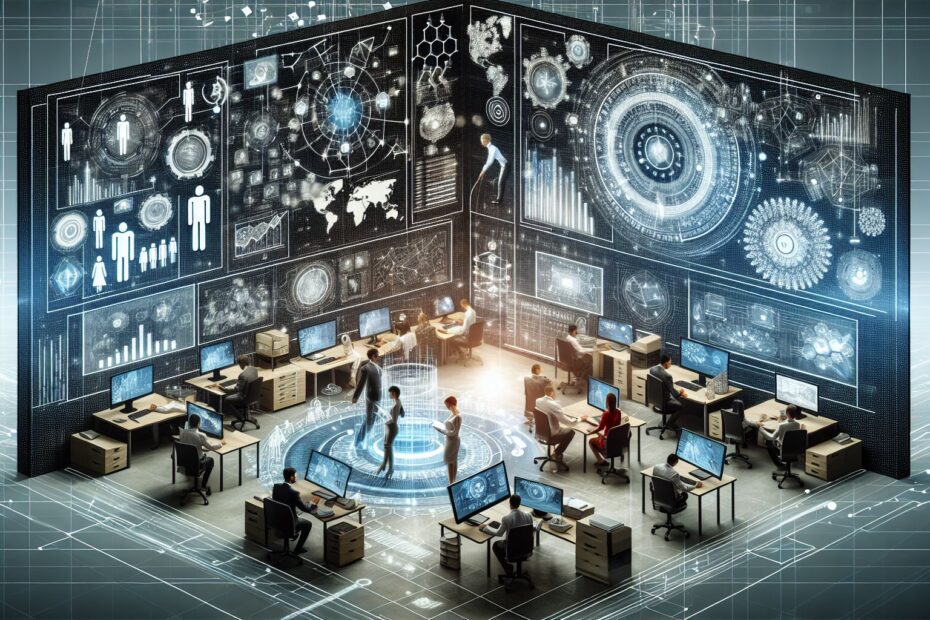
In the fast-paced, technologically driven world of today, computers have become an indispensable tool for individuals and businesses alike. It’s difficult to imagine our lives without these powerful machines, which have revolutionized the way we work, communicate, and gather information. Whether you’re a seasoned tech-savvy professional or just dipping your toes into the digital realm, understanding the basics of computers can greatly enhance your productivity and help you navigate the digital landscape with ease.
What is a Computer?
At its core, a computer is a complex electronic device capable of performing various tasks by executing a set of instructions known as computer programs. These instructions are processed by the computer’s central processing unit (CPU), which acts as the brain of the machine. By manipulating binary data, computers are able to perform calculations, store and retrieve information, and communicate with other computers and devices.
The Evolution of Computers
Computers have come a long way since their inception. From gigantic mainframe machines that once filled entire rooms to the sleek and powerful laptops and smartphones we use today, computers have become exponentially smaller, faster, and more accessible. This rapid evolution has brought computers into the hands of millions worldwide, transforming the way we live and do business.
Computers in Business
In the business world, computers play a vital role in nearly every aspect of operations. From small start-ups to multinational corporations, organizations rely on computers to streamline processes, manage data, and enable efficient communication. Here are some key ways computers power businesses:
1. Increased Productivity
Computers have dramatically increased productivity in the workplace. Tasks that once took hours or even days to complete can now be accomplished in a fraction of the time. Whether it’s creating professional documents, analyzing vast amounts of data, or automating repetitive tasks, computers allow employees to work smarter, not harder.
2. Communication and Collaboration
Modern businesses operate in a globalized and interconnected world, where effective communication and collaboration are essential. Computers facilitate communication through email, instant messaging, and video conferencing tools, enabling teams to collaborate in real-time, regardless of geographical location. This has greatly improved efficiency and accelerated decision-making processes.
3. Data Management and Analysis
Data is the lifeblood of businesses in the digital age. Computers enable organizations to collect, store, and analyze vast amounts of data, uncovering valuable insights that inform strategic decision-making. Advanced data analysis tools and algorithms can identify trends, detect patterns, and predict future outcomes, giving businesses a competitive edge in the market.
4. E-commerce and Online Presence
The advent of computers and the internet has revolutionized the way businesses operate, particularly in the realm of commerce. E-commerce platforms allow companies to reach customers worldwide, breaking down geographical barriers and expanding market reach. An online presence, facilitated by computers, is now essential for businesses to thrive in the competitive marketplace.
Computer Security and Privacy
While computers offer countless benefits for businesses, it’s crucial to be aware of the risks associated with their usage. With the proliferation of cyber threats and the increasing value of data, computer security and privacy have become major concerns for individuals and organizations alike. Implementing robust security measures, such as firewalls, antivirus software, and data encryption, is paramount in safeguarding sensitive information from malicious attacks and unauthorized access.
Embracing the Digital Age
As technology continues to advance at an unprecedented pace, computers will remain at the forefront of innovation, reshaping industries and revolutionizing the way we do business. Embracing the digital age means staying up to date with the latest developments, continuously learning and adapting to new technologies, and leveraging the power of computers to drive success in an increasingly competitive landscape.
Conclusion
Computers have become an integral part of our personal and professional lives, powering businesses and driving innovation across various industries. Understanding the fundamentals of computers can help individuals and businesses thrive in the digital age, unlocking new levels of productivity, efficiency, and connectivity. So, whether you’re a seasoned professional or just starting your journey, embracing the power of computers is essential for staying ahead in our rapidly evolving world.