
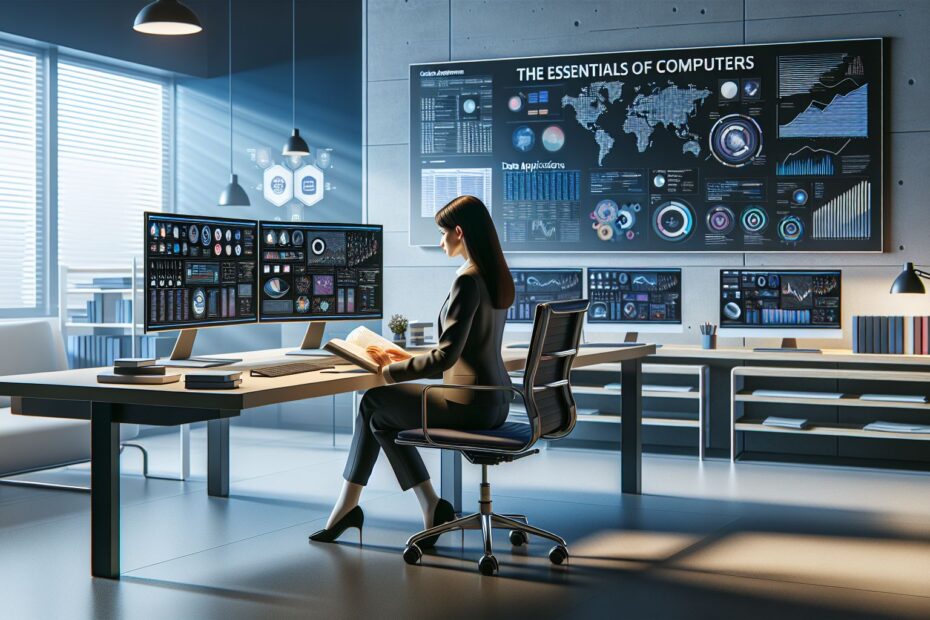
In today’s digital age, computers have become an integral part of our lives, both personally and professionally. Whether you are a seasoned tech enthusiast or someone who simply wants to navigate the digital landscape with confidence, understanding the basics of computers is crucial. From hardware to software, this article will provide a comprehensive overview of computers in a business-casual tone, helping you unlock their potential.
The Evolution of Computers: From Room-Filling Machines to Sleek Laptops
Computers have come a long way since their inception. Once hulking machines that occupied entire rooms, they have now evolved into sleek and portable devices that fit in the palm of our hands. Understanding this evolution can help us appreciate the power and convenience that modern computers offer.
In today’s market, laptops are the go-to choice for most professionals. Portable, yet powerful, they provide the flexibility to work seamlessly from anywhere. The key components of a typical laptop include the processor, RAM, storage, display, and battery. By understanding these core elements, you can make informed decisions when purchasing a laptop that meets your specific business needs.
Unmasking the Mystery: Hardware and Software
The two main components of any computer system are hardware and software. Understanding their roles can help demystify the terminology and empower you to make better decisions about your computer setup.
1. Hardware: This refers to the physical components of a computer that you can touch and see. It includes the CPU (central processing unit), motherboard, memory modules, hard drive or SSD (solid-state drive), graphics card, and input/output devices such as keyboard, mouse, and monitor. When choosing hardware, consider factors like processing power, memory capacity, and storage space, all of which impact your computer’s performance.
2. Software: While hardware provides the framework, software is the digital code that enables a computer to perform various tasks. It consists of operating systems, applications, and utilities. The operating system, such as Windows or macOS, manages the computer’s resources and acts as an interface between you and the hardware. Applications, on the other hand, are designed for specific tasks, such as word processing or graphic design. Understanding the software ecosystem can help you identify the right tools to optimize your productivity.
Staying Safe and Secure: The Importance of Cybersecurity
In an era where cyber threats are rampant, ensuring the security of your computer is of paramount importance. While you may think that cybersecurity is a complex realm reserved for IT professionals, there are steps you can take to protect yourself and your business.
1. Antivirus Software and Firewalls: Installing reputable antivirus software is vital in safeguarding your computer against malicious software, such as viruses, worms, and ransomware. Additionally, firewalls act as a barrier between your computer and the internet, monitoring incoming and outgoing traffic to detect and block potential threats.
2. Regular Updates and Strong Passwords: Keeping your operating system, antivirus software, and applications up to date is essential to patch any vulnerabilities hackers may exploit. Furthermore, using strong, unique passwords for your accounts adds an extra layer of protection against unauthorized access.
3. Phishing Awareness: Phishing attacks, where cybercriminals deceive individuals into sharing sensitive information, are increasingly common. Being cautious of suspicious emails, messages, and attachments can mitigate the risk of falling victim to such attacks.
Productivity Boosters: Task Automation and Cloud Computing
Computers not only simplify our lives but also enhance our productivity. Two concepts that can significantly boost your efficiency are task automation and cloud computing.
1. Task Automation: Repetitive and time-consuming tasks can be automated using specialized software. For instance, email management tools can sort and prioritize your inbox, while project management applications enable streamlined collaboration and task delegation. By leveraging task automation, you can focus on high-priority activities, ultimately improving your productivity.
2. Cloud Computing: The cloud refers to storing and accessing data and programs over the internet instead of your computer’s local storage. Cloud computing offers numerous benefits, including increased data storage, flexibility, scalability, and collaboration. Services like Google Drive and Microsoft OneDrive enable you to access your files from anywhere, making remote work seamless and efficient.
The Future is Now: Emerging Technologies and Beyond
As technology advances, new frontiers in computing are continually being explored. Here are a few exciting technologies that have the potential to shape the future of computers:
1. Artificial Intelligence (AI): AI allows machines to learn, analyze, and make decisions without explicit programming. From voice assistants to predictive analytics, AI is revolutionizing various industries, enhancing efficiency and enabling innovative solutions.
2. Internet of Things (IoT): IoT refers to the interconnectedness of physical devices, allowing them to collect and exchange data. From smart homes to industrial automation, IoT has the potential to transform how we live and work.
3. Quantum Computing: With the ability to perform complex calculations at mind-boggling speeds, quantum computing has the potential to revolutionize industries such as cryptography, drug discovery, and weather forecasting, solving problems that were once deemed impossible.
Conclusion
In this digital era, computers are indispensable tools that empower us to work smarter and navigate the vast digital landscape. By understanding the fundamentals of computers, from hardware to software, we can make informed decisions, protect ourselves from cyber threats, and harness technology to enhance our productivity. Remember, computers are not merely machines but powerful enablers that have the potential to propel us towards a successful and efficient future.