
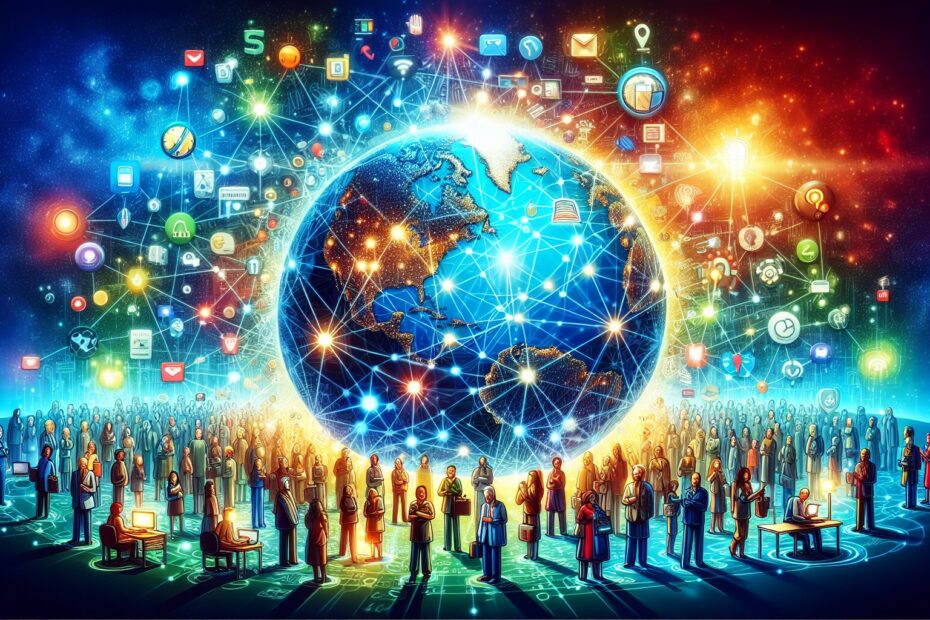
The internet, undoubtedly one of the greatest technological innovations of our time, has completely transformed the way we live, work, and communicate. It has revolutionized the world of business, enabling companies and individuals to connect and collaborate on a global scale. In this blog post, we will explore the impact of the internet on business and its profound influence on our everyday lives.
The Birth of the Internet
In the early years, the internet was primarily used by academic and military institutions as a means of communication and data sharing. However, with the introduction of the World Wide Web in the 1990s, the internet became accessible to the general public, transforming it into a powerful tool for businesses and individuals alike.
The Power of Connectivity
The internet has broken down geographical barriers and connected businesses and consumers from every corner of the globe. It has opened up new markets, allowing companies to reach customers in distant locations and expand their operations beyond traditional boundaries. Online marketplaces have flourished, creating a platform for small businesses to compete with industry giants.
With a few clicks, consumers can now browse and purchase products from anywhere in the world, enjoying unprecedented convenience and choice. The internet has empowered customers, forcing businesses to stay competitive by providing superior products and services.
Seamless Communication and Collaboration
Gone are the days of relying solely on physical meetings and phone calls to collaborate with colleagues and business partners. The internet has revolutionized communication, making it faster, easier, and more efficient. Emails, instant messaging, and video conferencing platforms have become integral parts of the modern workplace.
Real-time collaboration tools like Google Workspace and Microsoft Office 365 allow teams to work together seamlessly, regardless of their physical location. This level of connectivity and collaboration has not only increased productivity but has also enabled businesses to tap into a global talent pool, redefining the traditional concept of the workplace.
Digital Marketing and E-commerce
In today’s business landscape, having an effective online presence is crucial. The internet has become a powerful tool for marketing and customer engagement. Through targeted advertising, businesses can reach their ideal audience, maximizing the return on their marketing investments.
Social media platforms have emerged as essential marketing channels, allowing companies to directly interact with their customers and build brand loyalty. The rise of influencers has further amplified the impact of digital marketing, with individuals wielding significant influence over consumer purchasing decisions.
E-commerce has been one of the most significant beneficiaries of the internet revolution. Online retail giants like Amazon have disrupted traditional brick-and-mortar stores, offering consumers an unmatched level of convenience and choice. Small businesses can now set up online stores with ease, tapping into a global market without the need for extensive physical infrastructure.
The Challenges of the Digital Age
While the internet has brought countless benefits, it has also introduced new challenges and risks. Cybersecurity threats have become a pressing issue for businesses of all sizes. Protecting sensitive customer data and ensuring secure online transactions is paramount.
Moreover, the overwhelming amount of information available online has led to an era of information overload. Filtering through the noise and finding reliable sources has become a challenge, both for businesses and individuals. Developing digital literacy skills and critical thinking has become essential in navigating the vast online world.
The Future of the Internet
As technology continues to evolve, the internet will continue to shape the future of business. The rise of artificial intelligence, the Internet of Things (IoT), and cloud computing will further enhance the capabilities of the internet, bringing about new opportunities and challenges.
Improved connectivity through technologies like 5G will enable faster and more reliable internet access, revolutionizing industries such as telecommunication, healthcare, and transportation. The internet will continue to blur the lines between physical and digital experiences, shaping a world where everything is interconnected.
In conclusion, the internet has revolutionized the way we live and conduct business. Its power to connect people and organizations around the world and its ability to transform industries are unparalleled. As businesses adapt to the digital age, embracing the opportunities and mitigating the challenges, the internet will undoubtedly remain a driving force behind innovation and progress.